

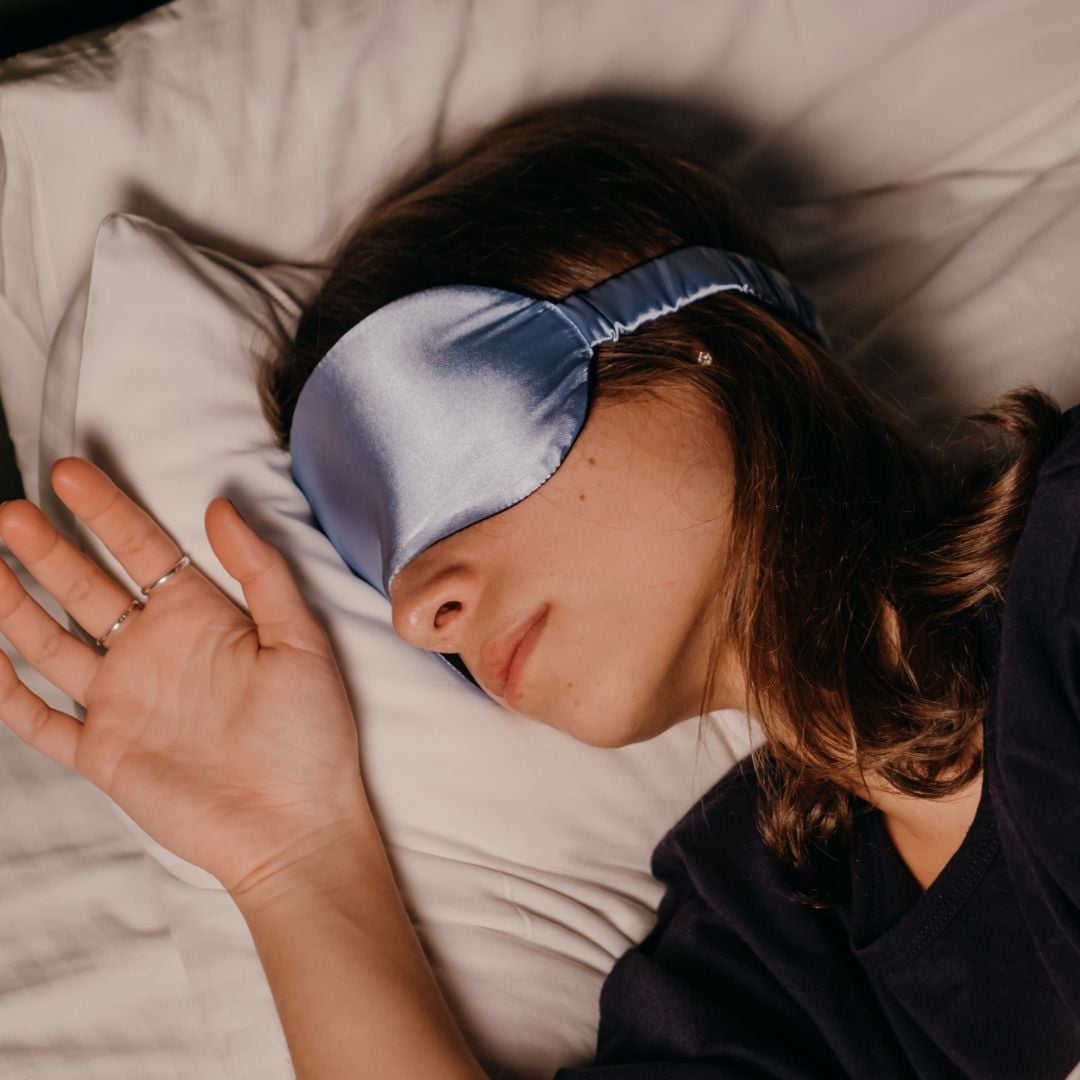
You fall asleep easily enough, sometime around 10:30. Then at 2:47 a.m., you’re wide awake. You’re a little too warm, and your mind starts sorting through tomorrow’s tasks. Somewhere around 4:30 you finally drift off again, and the alarm goes off at 6:00. On paper, that’s close to six hours of sleep, but it feels like much less.
If this sounds familiar, you’re not alone. Night waking is one of the most common sleep concerns we hear from our patients, and it’s rarely random. More often, it’s your body telling you something.
Measuring Our Sleep
Over the past decade, the message that sleep is foundational to health has finally gotten through. Most of us know that restorative sleep supports the brain, metabolism, hormones, and mood. Terms like “deep sleep” and “REM” have become part of everyday conversation.
With that awareness comes a natural next question: am I actually getting the good kind of sleep? Many people are turning to technology for the answer. Nearly half of Americans (48%) used a sleep-tracking device in the past year, up from 35% in 2023, according to American Academy of Sleep Medicine survey data.
Sleep tracking information can be useful. But first, it helps to understand what is happening when we sleep.
Sleep Happens in Cycles
Through the night, your brain moves through repeating cycles of roughly 90 to 120 minutes, usually four or five per night. Each cycle includes light sleep (stages N1 and N2), deep sleep (N3), and REM sleep. Deep sleep is concentrated in the first few hours of the night, while REM periods grow longer toward morning. The first half of your night and the second half are doing different jobs.
Light Sleep Makes Up Half the Night
Stage N1 is the brief doorway into sleep, about 5% of the night, when muscles relax and you might feel that sudden “falling” jolt. Stage N2 makes up roughly half of the night. Heart rate and body temperature drop, and the brain produces bursts of activity called sleep spindles, which are linked to memory, along with larger waves that help keep you asleep when there’s noise around you.
Deep Sleep Restores the Body and Brain
Deep sleep is when the body focuses on repair, from tissue rebuilding to growth hormone release. It’s also when the brain does its housekeeping. In 2019, researchers captured the first images of cerebrospinal fluid washing through the human brain in slow, rhythmic waves during deep sleep.
Deep sleep naturally declines with age, and protecting it may be important. In the Framingham Heart Study, each 1% yearly drop in deep sleep among adults over 60 was associated with a 27% higher risk of dementia over 17 years. While this doesn’t prove causation, the researchers describe deep sleep loss as a potentially modifiable risk factor.
REM Sleep is Tied to Memory and Emotional Regulation
REM is when the brain is highly active, vivid dreams happen, and the body’s large muscles stay still. It’s closely tied to memory and emotional regulation. A 2020 analysis that pooled results from dozens of studies found that REM sleep, compared with deep sleep, preferentially strengthens memories of emotional experiences.
Over the long term, a study of about 4,000 adults linked every 5% reduction in REM to a 13% higher mortality rate.
Why the Full 7 to 9 Hours Is Important
Because REM is concentrated toward morning, cutting sleep short doesn’t trim a little of everything. It removes REM disproportionately. Waking at 5:00 instead of 7:00, whether from an early alarm or a hot flash, can cost a large share of your REM for the night. Consistency counts, too. In a UK Biobank study of more than 60,000 adults, those with the most regular sleep and wake times had a 20% to 48% lower risk of death from any cause, and regularity predicted that risk better than sleep duration did.
What Shortens or Supports Deep Sleep and REM
Knowing that getting enough deep sleep and REM is so important to our health, what can we do to support these phases of sleep?
- Caffeine trims deep sleep. A 2023 analysis found caffeine reduced total sleep by about 45 minutes and deep sleep by about 11 minutes. Researchers suggest abstaining from caffeine at least 8 to 9 hours before bed.
- Alcohol reduces REM. Even about two drinks delays and reduces REM, with larger effects at higher amounts.
- Diet quality shapes deep sleep. After one week of a diet higher in sugar, saturated fat, and processed foods, healthy young men had shallower deep sleep than after a week of healthier eating with the same calories.
- Movement and warmth support deep sleep. Regular exercise is associated with deeper slow-wave sleep, and warming the body with a bath before bed can increase it, likely because of the cooling that follows.
How to Use a Sleep Tracker Wisely
Today’s rings and watches combine movement with heart rate and heart rate variability to estimate your sleep stages. Trackers are good at showing total sleep, timing, and trends over weeks,. Minute-by-minute stage counts are estimates. The best information comes from looking at weekly averages for patterns.
There’s another side of tracking to be aware of. Sleep specialists use the term “orthosomnia” for worry about getting perfect sleep, often driven by tracker data, and a 2024 study estimated it affects about 3% to 14% of people. If your numbers are driving you to worry, take a two-week break and notice how you feel.
What Disrupts the Night
When someone wakes at 2 or 3 a.m. night after night, it’s time to take a closer look at what might be happening.
- Blood sugar dips. Overnight, the liver keeps blood sugar steady. When it drops too low, the body releases cortisol, which can wake you. In the Women’s Health Initiative, postmenopausal women whose diets were higher in added sugars and refined grains had higher odds of developing insomnia, while those who ate more vegetables, whole fruit, and fiber had lower odds.
- A full stomach at bedtime. Later meal timing has been linked to poorer sleep quality. For anyone prone to reflux, lying down soon after eating is a common nighttime trigger. A longer gap between dinner and bed, raising the head of the bed, and sleeping on your left side can help.
- Liver stress. Beyond processing alcohol overnight, liver health itself may affect sleep. In a 2024 study, people with fatty liver disease slept as long as healthy volunteers but woke more often and spent about twice as long lying awake.
- Hormonal shifts. Sleep problems affect 16% to 47% of women in perimenopause and 35% to 60% in menopause. Changing estrogen and progesterone, hot flashes, and a higher risk of sleep apnea all play a role.
Sleep is a nightly process of repair, and when it’s disrupted, there’s usually a reason worth investigating. If you’ve been waking at 3 a.m. for months, or simply aren’t waking up rested, bring it up at your next visit. A functional medicine approach can look at blood sugar, hormones, liver health, and stress together to find what’s getting in the way of the restorative sleep your body needs.
At Radiance Functional Medicine, we offer functional medicine and nutrition counseling. We hope that you will allow us to help you heal your gut, balance your hormones, or find a way of eating that helps you thrive. Schedule an appointment to get started. Whether you are looking for a nutritionist or functional medicine doctor in Denver or your local area, we see patients in person and virtually. Call our office at 303.333.1668 to schedule your Initial Consultation.